theriodont:
i-draws-dinosaurs:
palaeofail-explained:
They’re silly and immature and not interesting to me. They’re just the subject of middle school and from personal experience, college boys “debating” using absolutely no provable facts and trying to force the other person into agreeing with them so they feel like they’ve exerted some form of dominance. If that’s what you’re looking for, go to carnivoraforum or a sports game or something. This is a science blog.
Plus the whole thing has just been done to death, especially Tyrannosaurus vs. Spinosaurus. I do occasionally find those sorts of match-ups interesting as thought experiments, and there is the potential to communicate some actual science, but on the whole there’s just … not really any point to it.
My main frustration is that the sorts of people who ask those sorts of questions don’t care at all about any actual scientific analysis beccause they just want to see blood and death and monsters ripping each other to shreds. Most realistic confrontations between Tyrannosaurus and Spinosaurus would probably just be insanely boring to them.
The main issue with this sorts of questions is that there’s just not much to be learned from them. Knowing whether one large animal can kill another large animal doesn’t actually provide much useful information, in large part because this sort of thing is vanishingly rare in nature.
I really cannot stress how unlikely it is for wild animals to ever actually fight to the death unless they’re rabid, cornered by a predator or otherwise in every unusual, high-stress situations. A fight to the death, especially between big predators, will almost always end with one animal dead and the other horribly maimed, likely crippled and almost certainly doomed to a slower death itself due to its injuries making it much more difficult to obtain food, fend off rivals and predators or protect its territory, if infection or internal bleeding don’t kill it before then.
The vast majority of the time, predators and other competitors simply avoid one other. When they can’t, most confrontations consist chiefly of posturing and showing off until one contender concedes defeat and backs away. When fighting does break out, it almost always ends with loser running for it and the winner letting them – it’s already got what it wanted anyway, why bother risking more injury for no gain? Natural selection, unsurprisingly, favors creatures that avoid unnecessary risks – an animal that can make a contender back away without a fight gets the same benefits as if it had killed its rival, but without risking horrific maiming and potential crippling or life-threatening infections. The loser, in the same situation, loses nothing it wouldn’t have lost anyway but gets to live to try again another day. In almost any situation you can name, there is no incentive for animals to fight each other to the death.
I mean, think of animals fighting in real life – when two cats fight, the confrontation typically ends with the loser fleeing and the winner chasing for a while before returning to its successfully defended territory. Fights for dominance between lions usually end with the winner chasing the still-living loser out of the pride. When wolves need to defend their territory from other packs, they don’t fight each other to the death – they posture and snarl and bite until one pack concedes and retreats.
And as @i-draws-dinosaurs said, these questions tend to be more about watching animals tear each other to pieces than about genuine science. Most awesomebros would likely be bored to tears by watching two tyrannosaurs roar at each other for ten minutes until one backs off and leaves.
Seriously, I get ‘who would win’ fights can be fun, if you’re into action stories/ideas, but they don’t belong on a science blog.

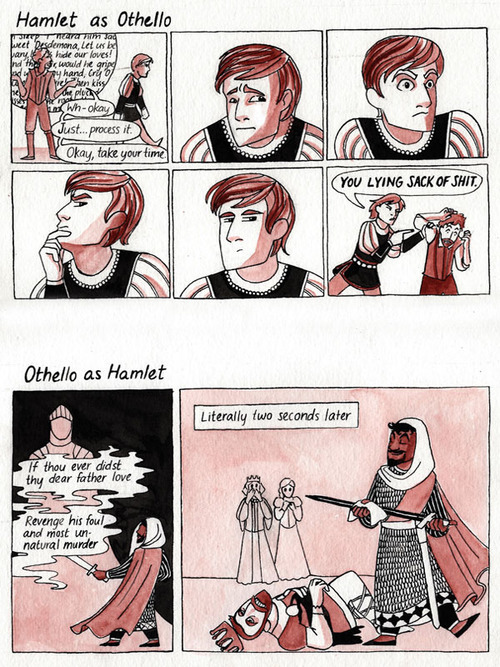




 Blenderbender1811 on wordpress